So you are a solo-entrepreneur or a small business owner and you have a great product or service that you’d like to share with the world. Wouldn’t it be nice to have a featured story in your local newspaper or better yet, a national magazine?
Perhaps there is something unique about your brand that you’d like to pitch to media. You could hire an independent publicist or a boutique public relations firm but maybe your marketing budget is a bit tight right now and you’d like to do it yourself, or at least give it a try. There’s nothing wrong with that.
In fact, I usually encourage people to learn more about the service that they want to outsource. This means that you need to take the time to learn how to do that service yourself. Gary Vaynerchuk calls this being a "practitioner" in the service you want to hire someone else to do. This helps you in two ways.
NEED HELP PITCHING TO MEDIA?
If you're serious about getting your brand out there and you're ready to pitch to media, I'm here to help. Book a call with me today!
Number one, you get hands-on experience and you can gauge the difficulty level for yourself. Maybe it’s not necessary to outsource but then again, maybe it is.
And two, it’s a little harder for people to take advantage of you if you know exactly what they need to do and how they go about doing it. How awful would it be to be billed for hours of work that should have taken only a few minutes? It happens.
The best illustration I can think of is when you go to an auto mechanic and need to trust that the mechanic will be honest about the work that needs to be done on your vehicle. When you know absolutely nothing about cars or what's under the hood of your vehicle, it's easy to be taken advantage of.
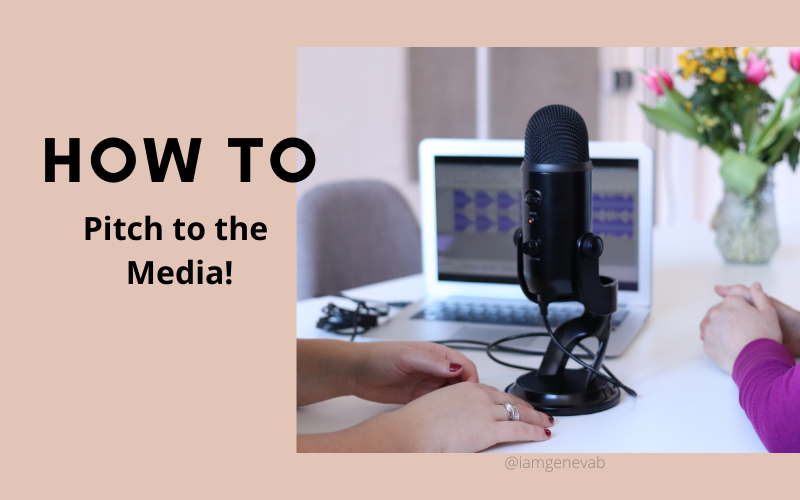
In this article, we’re going to discuss five steps you need to take in order to pitch to media the right way.
h
Table of Contents
$
Step One: Before You Pitch to Media, Know Your Audience
$
Step Two: Before You Pitch to Media, Learn More About Each Media Outlet
$
Step Three: Before You Pitch to Media, Prepare Extremely Well
$
Step Four: When You Pitch to Media, Keep It Brief
$
Step Five: When You Pitch to Media, Think Long Term
Step One: Before You Pitch to Media, Know Your Audience
If you have an online jewelry store and want to get your products in front of more customers, you have to consider where your audience will be. Would you pitch to BroBible, a website whose readers are men between the ages of 18 and 34?
Yes actually, you would. Especially if your jewelry is specifically for men but even if they are strictly for women, you can still pitch. It’s all about pitching the right story angle. Your pitch could be something like, “Gift Ideas For Your Mom, Girlfriend, Wife, etc.” You get the idea.
However, you want to focus primarily on your target audience so you may want to pitch to Marie-Claire, StyleBlazer, or other similar publications.
First, find out which publications may appeal to your target audience and then add those publications to your pitch list.
NEED HELP PITCHING TO MEDIA?
If you're serious about getting your brand out there and you're ready to pitch to media, I'm here to help. Book a call with me today!
Step Two: Before You Pitch to Media, Learn More About Each Media Outlet
Whether you’re pitching to a radio or podcast show, a television or web show, a magazine, or a newspaper you need to tailor your pitch to that specific media outlet. This is one of the reasons why I recommend keeping your list small, to begin with. Start out with no more than 20 media outlets.
Check out their websites, see if they have an editorial calendar available. This is helpful because it allows you to see what topics they will focus on each month. This gives you the advantage of planning ahead and pitching trendy and unique story angles that fit what they want to cover.
Many magazines will have their masthead available as well. This way you can see who the editors and writers are and possibly their email addresses.
It may be difficult checking out the websites on these media outlets to find out who the correct person to contact is. That’s why I love LinkedIn.
I usually look for editors, writers, freelance writers, producers, etc., all on LinkedIn.
Step Three: Before You Pitch to Media, Prepare Extremely Well
Most journalists are juggling extremely busy schedules and typically have multiple deadlines and are under a ton of pressure. You don’t want to waste their time pitching them a story that you don’t have all of the details on.
For example, you are having a grand opening in the near future but aren’t sure of the exact date because you’re still waiting on the contractors you hired to finish the work that needs to be done.
Be ready with all of the stats, details, photos, quotes, case studies, and spokespeople. Have everything in order and on standby when the journalist asks for them.
Step Four: When You Pitch to Media, Keep It Brief
Trust me, I know how much you want to tell the producers or journalists every little detail of your pitch. If may feel that if you leave any bit of it out, that will almost guarantee that your story won’t make the cut.
I’m here to tell you that it doesn’t matter. If they are interested in your pitch they will know, whether you give them every little detail or not. If they ask questions wanting to learn more about your pitch, well, that’s a good sign.
If you end up having a phone or in-person conversation with them, try to think of the meeting as an elevator pitch. Keep the important parts, be clear and concise. But above all, be respectful of their time.
Step Five: When You Pitch to Media, Think Long Term
Be prepared for rejection because it will absolutely happen, probably most of the time in the very beginning. However, don’t get discouraged. Keep those relationships going. Look at the positive side, now they know who you are.
Send them a handwritten thank you note for their time. Connect with them on LinkedIn and follow them on Twitter. You can always tailor your pitch or come up with a unique story angle and pitch it to them again in the future.
What you don’t want to do is bug them. That will quickly get you on their “person I need to avoid at all cost” list and you don’t want that. Don’t be creepy, just keep it casual and try again when the time is right.
I’ve gotten my clients featured in Latina Magazine, Huffington Post, Business Journals, NBC 6 In The Mix, Telemundo and the list goes on. It certainly wasn’t a piece of cake but I learned that developing those relationships with producers, editors, and writers is the most important thing you can do.
Final Thoughts
With proper planning, you can have really good success pitching to media and receiving media placements for your brand. For more advice, guidance, or help pitching your business to media outlets, don't hesitate to reach out to me.
NEED HELP PITCHING TO MEDIA?
If you're serious about getting your brand out there and you're ready to pitch to media, I'm here to help. Book a call with me today!
As an SEO expert and someone who has worked in public relations, I understand the importance of PR for businesses but I also understand that it isn’t something that is easy to sell because many businesses don’t understand it and don’t care to.
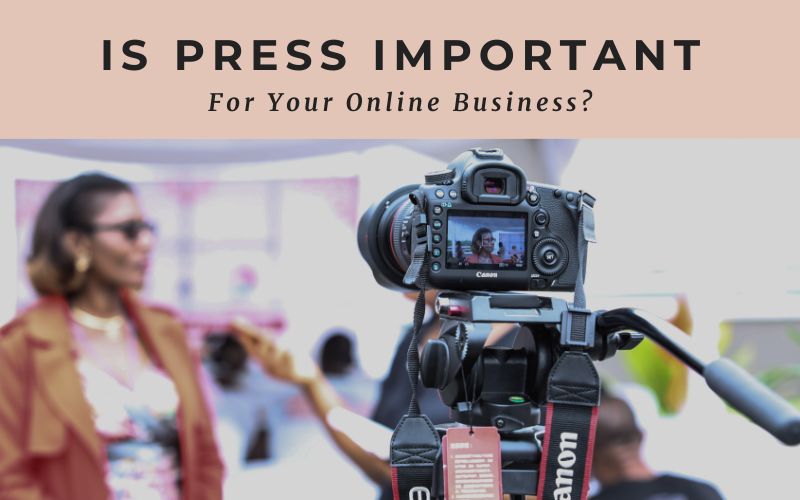
Let’s face it, few people can explain what publicist do and fewer see the benefit of public relations. Heck, most people can explain the job functions of a secret agent before they can a publicist. The primary question that business owners need to ask themselves is, 'Is public relations important for my business?" Let's find out!
h
Table of Contents
$
What is Public Relations?
$
Public Relations Versus Advertising
$
Getting Started With PR
$
Final Thoughts
What is Public Relations?
Just to clear things up, PR is a form of promotion of a business that is earned, not purchased, like advertisement. So in other words, don’t expect to pay for ad space on a website or pay a journalist to write a featured story on your business. It doesn’t work that way.
With public relations, your ideal audience is communicated with through earned promotion from trusted sources such as traditional media or speaking engagements.
READY TO GET STARTED WITH PR?
If you're ready to have your business featured on various media platforms in a positive light, I'm here to help. Book a call with me today!
PR people are persuasive storytellers. PR is typically used for brand awareness and to enhance the public perception of businesses. This includes damage control of negative events that can damage a company’s public perception. You can use public relations to shine a spotlight on your value propositions and translate them into positive stories.
According to the Public Relations Society of America (PRSA), “Public relations is a strategic communication process that builds mutually beneficial relationships between organizations and their publics.”
Instead of having “promoted content,” which isn’t always trusted, your content would appear in the editorial section of the magazine, newspaper, TV station or website.
There’s nothing wrong with paying for advertisements. Just keep in mind that most advertisements need to appear frequently over time before you will grab the attention of your potential customer. Additionally, if you don’t have the right sales funnel in place to convert your leads into customers, you may just be wasting your money.
READY TO GET STARTED WITH PR?
If you're ready to have your business featured on various media platforms in a positive light, I'm here to help. Book a call with me today!
Earned promotion in publications like the New York Times, Forbes and The Huffington Post, have lasting effects and over time can result in speaking engagements, new clients, and solid credibility.
Many marketing professionals would argue that public relations has become the most effective way to build a brand, myself included. So, why is PR important? It builds brand awareness and establishes credibility better than paid ads ever will. And let’s face it, in today’s world of reading Yelp reviews and searching BBB, people want to hear about a business from trusted sources, not directly from the business itself.
People want to do business with brands that they are familiar with, they like, and they trust: public relations is the best way that the public can get to know, like, and trust your business.
So how do you get started with your own PR?
Getting Started With PR
I’ll be honest, there is an easy way and there is a way that requires some effort and patience. However, both ways can work if executed correctly.
The easy way is simple. You just hire an independent publicist or a PR firm and they will do all of the work for you. Of course, this way is not without its expense.
Considering that you are hiring people to write and distribute press releases, develop unique story angles to pitch to the press, among many more tasks that PR professional perform, you can expect to pay a pretty penny.
The less desirable way that requires effort and patience is simply doing it yourself. As someone who was a self-taught independent publicist who garnered earn media coverage for my clients on such platforms as The Huffington Post, Latina Magazine, The Business Journals and many more. I can tell you that it isn’t difficult but requires diligent effort and patience.
First, you must learn how to pitch to media professionals. Once you learn that, all you have to do is be consistent and patient. The earned coverage will come.
Let’s be honest, who has weeks, months, or even years to waste? None of us. So learning how to do things right the first time is a must if you want to save time, energy and money.
One resource that I recommend for anyone who doesn’t have the money to pay a PR firm but want equally good results would be to use Linking News. I like this company because they not only distribute your press releases for you, but provide you with a wealth of resources on how to write press releases.
Another really great option is 24-7 Press Release. Through its multi-channel distribution network, 24-7 Press Release helps entrepreneurs and businesses disseminate their news to consumers, editors, journalists, bloggers, and websites.
Final Thoughts
There's no doubt that in today's digital age, businesses would benefit from public relations. Nowadays, people do their due diligence when it comes to researching a business. Media placements like interviews and features, are a great way for your target audience to get to know, like and trust your brand. You want them to find positive features that put your business in the best light.
Do you have experience using PR for your business? I’d love to hear your take on PR for business. How was your experience? Tell us in the comments below!
READY TO GET STARTED WITH PR?
What will your ideal client discover about your brand with a simple Google search? If you're ready to have your business featured on various media platforms in a positive light, I'm here to help. Book a call with me today!
In the wild world of do it yourself SEO, or DIY SEO for short, and digital marketing, visibility is everything. Page hits fly in from social media, google queries, and backlinks, but that’s only half the story.
Your audience is going to hit the first page that matches their needs. How do you make sure that Google knows what you offer and how to display it? Search engine optimization.
h
Table of Contents
$
What Does SEO Stand For? (The Working Definition)
$
SEO for Dummies (Easy Guide to DIY SEO)
$
Leave it to the Pros (Affordable SEO for Small Businesses)
$
DIY SEO Checklist (Search Engine Optimization in 4 Steps)
What Does SEO Stand For? (The Working Definition)
There's so much that goes into SEO or search engine optimization. One could summarize it as the fine art of labeling your content so that an algorithm can interpret the type of content you have and choose when and where to display it.
By analyzing keyword density, intent (transactional, navigational, or informational), and backlinks, the Google algorithm gives your content a ranking for various search terms or queries and displays your content by ranking within a search engine results page (SERP).
The exact process Google uses to rank and sort content is proprietary. To keep things fair and accurate, they do not disclose precisely how the ranking process works. However, let’s go over some basic principles of SEO.
SEO for Dummies (Easy Guide to DIY SEO)
Don’t worry! There are a lot of things you can do on your own to improve your site ranking and give yourself a DIY SEO checkup.
Before you can optimize, you must determine what keywords you hope to use. In other words, what queries do you hope will return your content as the top choice?
To start with, determine your current keyword density. If your website is on WordPress, you can use free SEO plugins like Yoast SEO or Rank Math. Both plugins have tons of great features including their own builtin keyword density analyzer tool. This tool will show you how often your focus keyword is used throughout your content compared to your content’s total word count.
READY TO ATTRACT AND CONVERT MORE LEADS TO YOUR WEBSITE?
If you're ready to do what it takes to attract more leads to your website, I'm here to help. Book a call with me today!
Next, try generating a SERP and running the top-ranking pages through the same tool. SERP will show you, in direct numbers, how your keyword usage compares to the top-ranking article. It will also show you the top keywords utilized by the top-ranking content, keywords you may want to incorporate into your content during your next edit!
With keyword info in hand, remember Google doesn’t just use your plain text. The Google ranking algorithm pays special attention to backlinks, paragraph headings, urls and alt-text. That means you should too!
Leave it to the Pros (Affordable SEO for Small Businesses)
Is this starting to feel overwhelming? Don’t worry; I’ve got your back.
Once you’ve given yourself a DIY SEO checkup and identified your areas for improvement, you might feel like the hill is too high to climb alone.
SEO doesn’t have to cost a fortune. There are lots of services for every budget from simple check-up tools to full service solutions, and most importantly, mentoring to guide you through.
Your first step is to optimize your existing content. Using an SEO suite of tools like Ahrefs or Loganix can help you chart a clear course to improving your existing sites and measuring their performance. Using an SEO toolkit gives you measurable, actionable feedback rather than the qualitative inference you might do on your own.
Once you have identified what works, and what does not work, about your existing content, you have the information you need to create new, more impactful content within your niche. At this stage, you are ready to utilize freelancers to create custom content that rank competitively in the ever changing SEO world.
Of course, like any entrepreneur, you, and you alone, have the vision that makes everything possible. You must balance the power of delegation with the need to invest in yourself. By spending a little more time now to master the world of digital marketing, you save yourself time and most importantly, money. When you are ready to take your DIY SEO to the next level, you are ready for mentoring and mastermind sessions.
DIY SEO Checklist (Search Engine Optimization in 4 Steps)
Whether you are performing a marketing audit or crafting your strategic goals for new content, make sure you can check these 'SEO best practices' boxes.
Have you identified your keywords?
Are your headings, URLs and alt text boxes keyword optimized?
Are you linking to relevant content both within your site and to other sources?
Hopefully this DIY SEO guide has provided you with some marketing wisdom you can apply to your niche right away. If you found more questions than answers, let this be a wake up call for you!
No matter how big or small your business goals, it is always the right time to invest in yourself. Why not start now? Get in touch with SEO consultant Geneva Bell.
READY TO ATTRACT AND CONVERT MORE LEADS TO YOUR WEBSITE?
If you're ready to do what it takes to attract more leads to your website, I'm here to help. Book a call with me today!
Interested in becoming a digital nomad but not sure how to get started? In this article, I'll give you my best advice based on my own personal experience of trial and error. If you want to know what I wished someone would have told me, keep reading.
First of all, let's just make sure we're all on the same page when it comes to the definition of a digital nomad. So, what are digital nomads? Digital nomads aren't much different from a traditional nomad with one exception, they make their moolah online.
In layman's terms, a digital nomad is simply a person who travels from place-to-place all while working remotely from their computers. Not all "digital nomads" are truely nomadic in the traditional sense. For instance, my home base is in Florida but I have the ability to pick up and temporarily live anywhere that has a good Internet connection, for months at a time. I don't do it often but I've done it often enough that I consider myself to be a digital nomad.
There are a number of reasons why people choose to pursue the lifestyle of a digital nomad. Whether you want to travel and see the world or whether you want to break out of the 9-to-5 grind, being a digital nomad affords you certain freedoms.
Before you jump into this laptop lifestyle though, some planning should be involved. There are a few things you can do to help you on your quest to become a digital nomad. Let's break them down.
h
Table of Contents
$
Simplify Your Life
$
Start Your Own Business
$
Consider the Logistics
$
Diversify Your Income
$
Get On a Schedule
$
Conclusion
Simplify Your Life
When you think of a nomad in the traditional since, you think of a person who travels from place to place. Owning many possessions isn’t something nomads are known for. So if you have a house full of things and you’re serious about making the transition, you might want to start thinking about simplifying your life as much as possible.
An important part of becoming a digital nomad is getting rid of unnecessary baggage and expenses. When I first started my journey, I gave up my car and all things that I didn’t view as essential. It was a gradual process. You’ll want to be honest with yourself about what things are necessary and what you can give up. If you envision yourself traveling to different countries months at a time, do you really need that gym membership, magazine subscription, or Sam’s Club membership?
Don’t worry if you feel overwhelmed. Having many prized possessions can do that to you. Take baby steps. Two things that were really difficult for me to give up were my television and Vitamix. I actually tried to figure out a way to bring them with me. How crazy was that?
When it comes to simplifying your life, that includes your spending habits. Cutting down on your spending will not only save you money but will help keep unnecessary items out of your house that you’ll eventually need to give up anyway. When you’re traveling in countries where a dollar goes a long way and living is cheap, you’ll appreciate having more money in the bank.
READY TO BECOME A DIGITAL NOMAD YET?
If you're serious about starting your own online business and living that laptop lifestyle, I'm here to help. Book a call with me today!
Consider your skills and how you can carry them into online work. Writing, design, editing, and software development are common skills that lend themselves to freelance or remote work. Joining a freelancing community will expose you to collaboration opportunities, jobs for digital nomads, and resources used by other location independent entrepreneurs.
If you want to start your own online business but don’t have the confidence to leave your 9-to-5 job right away, you can try to get remote freelance work in your spare time. The point is to establish yourself as a freelancer so it can become a viable source of income. As a digital nomad, you won’t need a ton of money, but you will need a steady amount to get by. If you don’t have a lot of money saved in the bank, traveling without having clients or an established online business can make your life more stressful and the laptop lifestyle nearly impossible.
With anything, there are both advantages and disadvantages about being a digital nomad. You need to decide whether or not you want to work as an independent contractor or as a remote employee. Yes! There is a difference.
I'm partial to starting your own business as a digital nomad as opposed to becoming a remote employee. I feel it brings you more freedom of your time and your finances. As an independent contractor, you work when you want and for as many businesses as you can handle. As a remote employee, you work within a restricted set of hours each day and you have a cap on the amount of income you can make because you're only working for one company.
One good thing about being an employee is, you may qualify for health benefits if you're a full-time remote worker for a good company. So that's something to consider.
If you're going to start your own online business, you need to do it the right way. Especially if you have no prior experience. I highly recommend getting advice from a mentor or business consultant. Someone who has experience with starting and running successful online businesses and who could help you start your own successful online business while avoiding all the pitfalls that usually come with novice business owners.
There are many factors that you'll need to consider. Some questions you should ask yourself are: What countries would I like to travel to? Will I need a visa? What are the requirements of getting a visa? How will I be required to pay income taxes if I'm traveling to other countries? What is a good travel health insurance that will cover me while traveling to various countries?
If you already have health insurance, double check that you’ll be covered while you’re in other countries. If your health insurance doesn’t cover you while you’re abroad, you should consider travel insurance that is specifically for digital nomads. One insurance company that I absolutely love, and am also an affiliate of, is World Nomads. Depending on your needs, their comprehensive insurance plans could cover some combination of dental, emergency health, trip cancellation, delays, lost luggage, tech and gear and the list goes on.
Research the country, city or town you want to travel to before you go. Find decent lodging, whether it’s an affordable bed and breakfast or other reasonably priced place to stay. You’ll want to feel comfortable and safe in the place you’ll be lodging, so thoroughly look into the neighborhood you plan on residing in, especially if you plan on staying there for at least a few months. Figure out where all the essentials are—hospitals, grocery stores, coffeeshops, metro stops, places of worship, co-working spaces and so on.
Whether you’re traveling domestically or internationally, it’s important to make sure you have the cell phone reception and wifi you need. Consider getting a local SIM card in the area you’ll reside. You may also be able to rely on your cellular network and use your personal hotspot for internet connection if you find yourself without wifi.
Consider Avenues to Diversify Your Income
As a remote SEO agency owner, I can tell you that it’s crucially important to diversify your income by building multiple streams of income. Passive income can make life a whole lot easier for a digital nomad, especially at times when client work is inconsistent.
If you have the money, investments and dividend-yielding stocks might work for you. Others prefer going with something like an E-commerce business. If you already plan on documenting your travels through blogging, Instagram, YouTube, or other social media, placing ads, affiliate links, or sponsorship posts could be a possibility for you.
There are many affiliate marketing programs like Shareasale, of which I am an affiliate, CJ and Amazon affiliates just to name a few.
Digital Nomads Still Need a Schedule
It’s important to schedule your time, even as a digital nomad. Schedule time for work and time for leisure. That way you can stay productive and also enjoy your leisure time exploring your new environment.
Maintaining a work-life balance will make your new lifestyle more sustainable. Letting work take over leisure time will create stress, and failing to block out consistent work time will affect your productivity. Make goals and give yourself deadlines to meet so you can make progress on your work.
Conclusion
Becoming a digital nomad can seem like a big, intimidating change. But if you’re really interested in the lifestyle, there are steps you can take to make the transition easier and to minimize stress. And if you do eventually decide to settle down, you can still stick to freelancing instead of returning to an office job because of the work you did as a digital nomad.
Are you already a digital nomad? Did we leave any crucial steps out? Please share with us in the comment section below!
READY TO BECOME A DIGITAL NOMAD YET?
If you're serious about starting your own online business and living that laptop lifestyle, I'm here to help. Book a call with me today!
Note: This article contains affiliate links, meaning we receive a commission (at no extra cost to you) if you use that link to make a purchase. Read our affiliate disclosure here.
Differentiate Your Brand Personality From the Competition
$
Cohesiveness
$
Conclusion
Many people confuse brand personality with brand values. While these two compliment each other, they are not the same. Brand values are the things your brand stands for, whether it be transparency or quality, or innovation, etc. These are the principles that your brand is determined to uphold.
A brand personality is similar to that of a person’s. It is the combination of human characteristics or qualities that form the brand’s distinctive character. A brand’s personality influences how consumers feel about the brand and has the power to attract consumers and make their experience with the brand memorable. These qualities should be consistent across all mediums and platforms in order to be truly effective.
If our relationships with brands so closely mirror those with our fellow humans, shouldn’t we think of brands as people?
There are five main brand personality types to consider when building your own: competence, sincerity, sophistication, excitement, and ruggedness. Let's examine each of them.
Competence
Competence evokes reliability, experience, proficiency, skillfulness, and expertise. A tried and true brand like Google is an example of this. Microsoft Office suite used to be the go-to office software for most people. Nowadays, Google Drive seems to be the go-to office software because of it convenience and ease of use. Not to mention the fact that it’s free.
When composing a document on Google Docs, Sheets or Slides, the document is automatically saved as you make changes. Additionally, you can pick up where you left off on any device. If that doesn’t scream reliability and proficiency, I don’t know what does.
Sincerity
Sincerity includes traits such as genuineness, goodwill, and trustworthiness. I personally, think of Whole Foods and Amazon. And it’s no surprise that Amazon decided to acquire Whole Foods in 2017. The Whole Foods brand markets itself as having high quality standards. It prides itself on the vibrant stacks of produce, animal welfare rated meat, responsibly farmed and sustainable wild-caught seafood and body care products with ingredients that consumers can trust. Since what you see is what you get, buyers feel a greater sense of trust toward the brand.
Sophistication
When we think of sophistication, we often think of cultured, refined, elegance and class. Designer brands such as Chanel and Dior are prime examples of a sophisticated brand personality. They exude elegance and status, which draws in customers who are attracted to those traits.
Excitement
Common traits of excitement are exhilaration, emotion, thrill and enjoyment. Oftentimes, those characteristics are also associated with youth. Universal Parks & Resorts uses thrilling commercials and showcases an image of being joyful with its current “Let Yourself Woah” slogan (as of 2020).
Strength, grit, and athleticism are all traits of ruggedness. Recreational Equipment, Inc., commonly known as REI, a company that believes a life outdoors is a life well-lived, serves as a good example of ruggedness. REI, sells sporting goods, camping gear, travel equipment, and clothing.
Now that we’ve defined some brand personality types and traits, how can you build your own brand personality?
WHAT'S YOUR BRAND PERSONALITY?
Need some help formulating your brand personality? I'm here to help. Book a call with me today!
Once you’ve figured out what your passion is, you need to develop it into a brand. An essential part of building your brand is knowing who the brand is for. Your brand’s personality should cater to the customer. Who is your product or service for, and what will they find attractive? Identify who your average consumer is and what they are like and build a personality that’s relatable to them. A good brand personality should connect emotionally with the customer.
Old Spice, for example, uses ruggedness to appeal to their demographic of young men. The face of their brand, the Old Spice guy, is typically an attractive, muscular man. The brand uses what are viewed as traditionally masculine traits to appeal to its consumers. The Old Spice guy is aspirational—he’s suave, he’s fit, and he’s manly. While the people who use Old Spice tend to be young men, the brand has also strategically tried to attract women with campaigns like “The Man Your Man Could Smell Like,” since women are more likely to do household shopping.
Brand personality traits provide a general idea of how to reach your target demographic, but make sure to really zero in on who your customer is.
For example, once you’ve identified your target as millennial women, consider the fact that millennials have increasingly expressed interest in a brand’s values and authenticity. Love Beauty and Planet, Unilever’s personal care brand that launched in 2017, targets socially aware millennials. The brand markets vegan and cruelty-free products that are environmentally conscious at a time when interest in natural products is growing.
Differentiate Your Brand Personality From the Competition
When developing a brand personality, take stock of your competition. A good way to build a successful brand personality is by capitalizing on what makes you different from other brands in your market.
Let’s re-examine the brand Love Beauty and Planet. Many personal care brands exist, such as Dove, Pantene, and the like. Additionally, other natural and cruelty-free products exist, but at a higher price. However, the brand’s target audience will trust it more because of its commitment to vegan, cruelty-free, and environmentally conscious practices. Its brand personality emphasizes these qualities in a way competitors at the same price points don’t.
Cohesiveness
An effective brand personality extends to a brand’s design and behavior. Most people can easily identify an Apple product by its once-bitten apple logo. And like the logo, the design of the product is simple, clean, and sophisticated.
A brand’s behavior on social media influences the way people see it. A small, trendy jewelry store might utilize Instagram because visual platforms work particularly well for jewelry. It gives the brand a chance to convey the glamour and sophistication of its products.
The way a brand interacts with customers on social media can increase its appeal as well. For example, customers notice when a brand cares about their experience with a product or service and can sense that sincerity in social media interactions.
Conclusion
Building an effective brand personality is essential to attracting loyal customers. Customers who feel a connection with your brand will stay with you. By knowing your demographic, differentiating yourself from the competition, and staying consistent, you can develop a successful brand personality.
Have you built your brand's personality? Tell us about it in the comment section below!
WHAT'S YOUR BRAND PERSONALITY?
Need some help formulating your brand personality? I'm here to help. Book a call with me today!